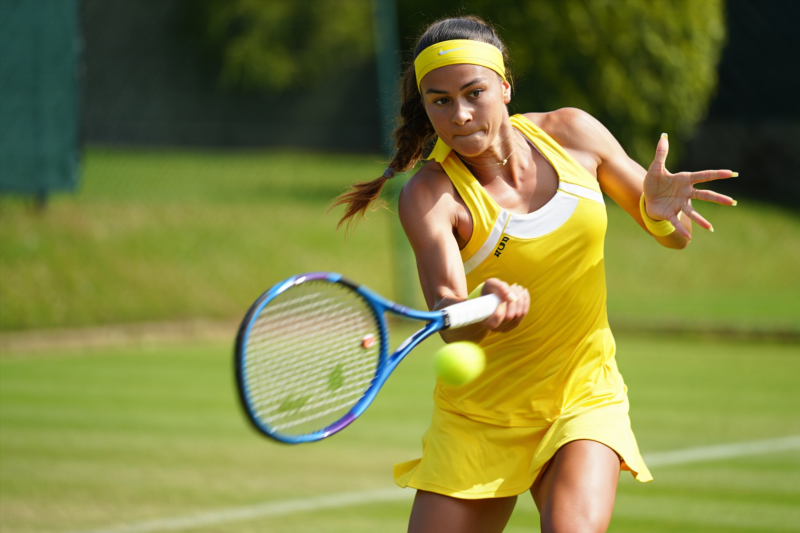
In the world of professional tennis, surface type is more than just the stage where matches unfold—it’s a fundamental factor that shapes players’ techniques, tactics, and overall playing style. Whether it’s the fast-paced agility required on grass, the slower, high-bouncing courts of clay, or the balanced surface of hard courts, each surface demands distinct strategic adaptations. For tennis enthusiasts and aspiring professionals alike, understanding how different court surfaces influence gameplay is essential for optimizing performance, mastering tactics, and gaining a competitive edge.
How Surface Types Influence Tennis Playing Styles
1. Grass Courts: Speed and Precision
Characteristics:
- Fast-paced surface with low, unpredictable bounce
- Players need quick reflexes and sharp volleys
Impact on Playing Style:
- Aggressive Style: Players favor serve-and-volley tactics to capitalize on fast conditions.
- Serve Dominance: A powerful, accurate serve becomes vital for setting up winning points.
- Short Points: Emphasis on quick, decisive exchanges rather than lengthy rallies.
Example Players: Roger Federer, Serena Williams (at times), thrive on grass with their aggressive and versatile tactics.
2. Clay Courts: Endurance and Spin
Characteristics:
- Slower surface with high, heavy bounce
- Demands greater consistency and patience
Impact on Playing Style:
- Baseline Play: Longer rallies with strategic construction are common.
- Topspin Utilization: Heavy topspin helps control the ball and generate vertical movement.
- Physical Durability: Extended rallies require superior endurance and mental toughness.
Example Players: Rafael Nadal, known for his exceptional clay court mastery, employs heavy topspin and relentless baseline grinding.
3. Hard Courts: Balance of Power and Control
Characteristics:
- Medium speed with consistent bounce
- Mix of fast and slow playing styles
Impact on Playing Style:
- Versatility: Players can adopt aggressive or defensive tactics.
- Predictable Bounces: Easier shot execution allows for a broader strategic approach.
- All-Court Play: Encourages a balanced game combining baseline strokes and net play.
Example Players: Novak Djokovic and Serena Williams excel on hard courts because of their adaptable playing styles.
Strategic Adaptations for Different Surfaces
Adapting Your Technique:
- On Grass: Focus on improving serve accuracy and volley skills for quick points.
- On Clay: Develop topspin shots and endurance to outlast opponents.
- On Hard Courts: Work on versatile strokes and consistent shot-making.
Tailoring Match Tactics:
- Recognize the opponent’s strengths and weaknesses relative to the surface.
- Control the rally’s pace to exploit surface-specific advantages.
- Use surface-appropriate shot selection, such as drop shots on clay or slices on grass.
Why Tennis Enthusiasts Should Pay Attention to Surface Impact
Understanding the influence of surface type on playing style empowers players and fans to:
- Enhance Training: Focus on techniques suited to specific court conditions.
- Improve Match Strategy: Adjust tactics dynamically during tournaments.
- Appreciate Player Specializations: Recognize why certain players excel on particular surfaces.
Explore More Today: Elevate Your Tennis Game
Harness the power of surface-specific strategies to elevate your tennis gameplay. Whether you’re stepping onto the court for a casual match or analyzing ATP and WTA tour events, knowing how surface type shapes player techniques and tactics can make all the difference.
Ready to adapt your game? Dive into detailed match analytics, player profiles, and expert breakdowns on the Dutch Golden Ages Tennis Hub—your ultimate portal for tennis news, tournament previews, and comprehensive surface strategy insights.
Transform your tennis understanding and improve your results—explore more today!